CONTINUOUS MONITORING OF GALVANIC SKIN RESPONSE FOR ICU AND OT PATIENTS


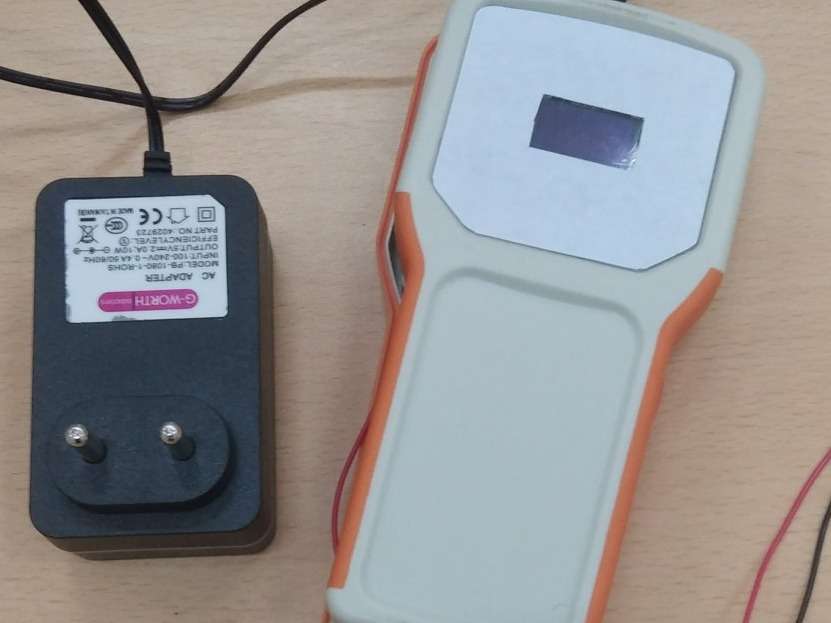
Components Used
Powered by
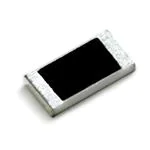
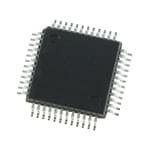
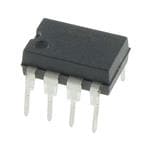
ARM Microcontrollers - MCU 32BIT Cortex M3 64KB 20KB RAM 2X12 ADC
511-STM32F103C8T6

Biometric Sensors Disposable Surface EMG/ECG/EKG Electrode - 24mm (10 pack)
474-SEN-12969
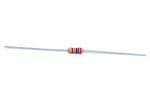
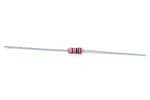
Metal Film Resistors - Through Hole 10Mohm 1% 1/4W Metal Glazed Film
603-HHV-25FR-52-10M
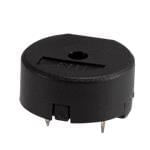
Piezo Buzzers & Audio Indicators buzzer, 14 mm Round, 6.7 mm deep, 10 Vp-p, 80 dB, Through Hole, Piezo Audio Transducer
490-CPT-14146-80T


Wall Mount AC Adapters ac-dc, 5 Vdc, 2 A, SW, wall-plug, EU, P5 center pos, level VI, black
490-SWH15-5-EB-P5
Galvanic Skin Response (GSR), is used to detect emotions using our skin electrical activity. Human body is processing all the information in the form of a signal. The electrical signal throughout the body will be the same. If a person is undergoing any emotions, electrical activity in the body will also change. One of the outcomes of this is sweat. Emotions can be seen in some people's faces and can be easily identified in what state they are. But some couldn't show it out. The emotions will be hidden within themselves, which becomes more dangerous in the future.

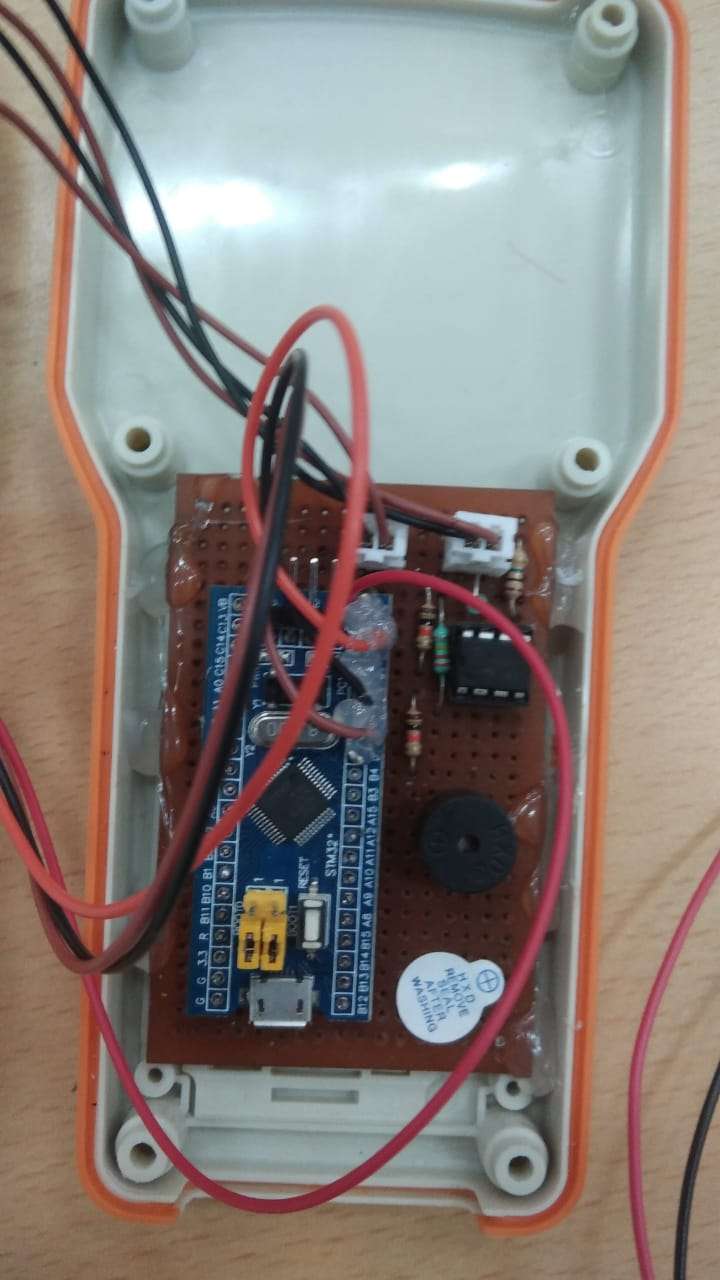
GSR will be very efficient in healthcare. Before undergoing any treatment or in operation theater, this device can be used to find the emotional state and depending on that counselling can be given. Especially in the Intensive Care Unit (ICU) this device can be used for continuously monitoring the patient's emotional state during the sedation period. Patients who are in very critical condition only will be admitted in the ICU. So it’s very important to monitor them. When a patient feels something wrong, the body resistance and conductance starts to change. By measuring the change the patient's condition can be identified. It can even act as one of the alerting systems. Addition to this it will also be very useful for pregnant women.
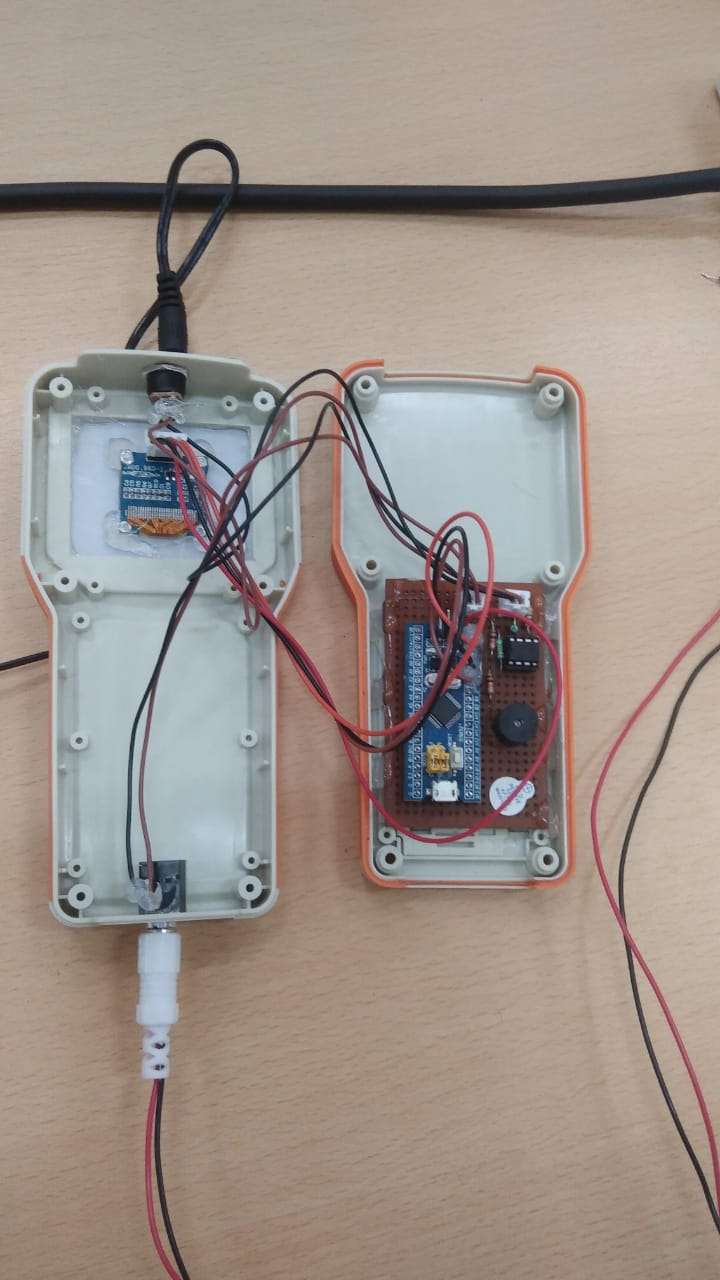
This device consists of STM32 microcontroller to collect and process data from electrical signals which are amplified using MCP602 and an OLED-display (organic light-emitting diodes) for displaying stress level, and a buzzer is attached for alerting higher stress levels. The electrodes measure skin resistance and conductance and calculate the stress level and display it as output. A buzzer is attached to indicate that their signal conditioning circuit consists of an amplifier. The signal conditioner output is then converted to digital signals using the inbuilt A to D converter circuit of the STM32 microcontroller. Output from the STM32 microcontroller is then displayed by OLED.
Comments0
Join the discussion — share a question or tip.
Be the first to share your thoughts on this project.