VEGETABLES AND FRUITS WASTAGE REDUCTION SYSTEM

Components Used
Powered by
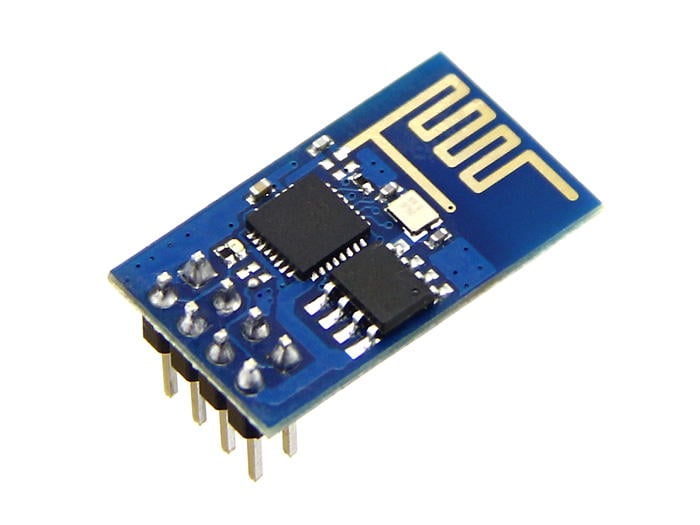
ESP8266 is a system on chip (SoC) which provides WIFI capability for embedded applications. This enables internet connectivity to embedded applications. ESP8266 modules are mostly used in Internet of Things(IoT) applications.
909-MOD-WIFI-ESP8266
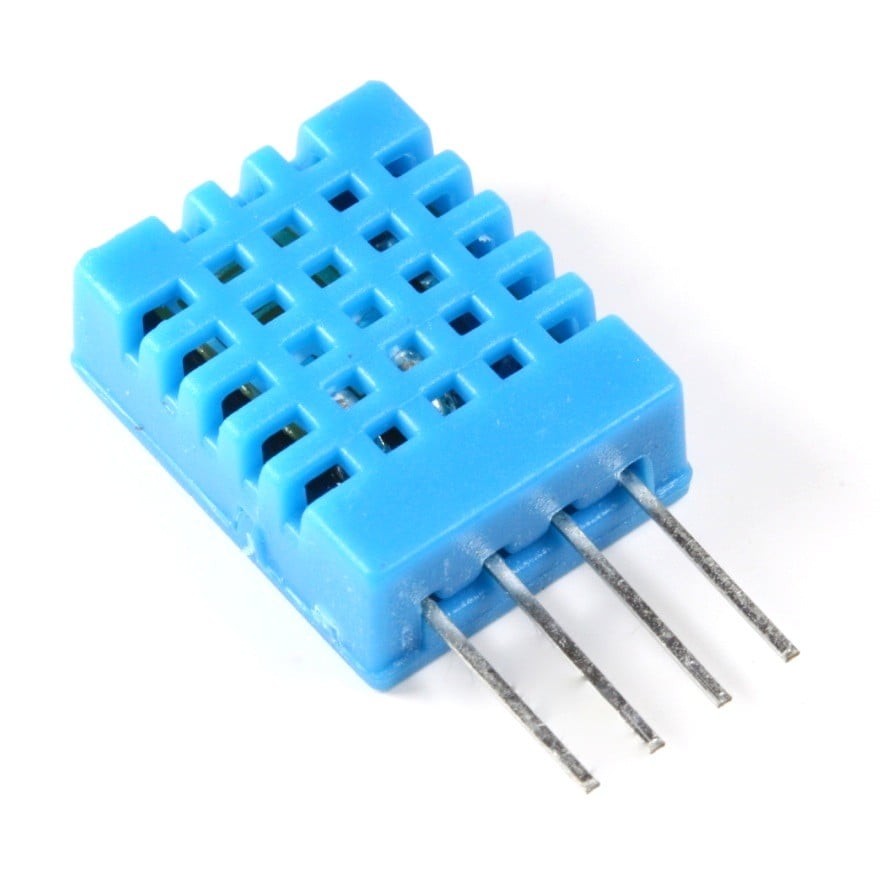 × 1
× 1DHT11 is a single wire digital humidity and temperature sensor, which gives relative humidity in percentage and temperature in degree Celsius.
485-386
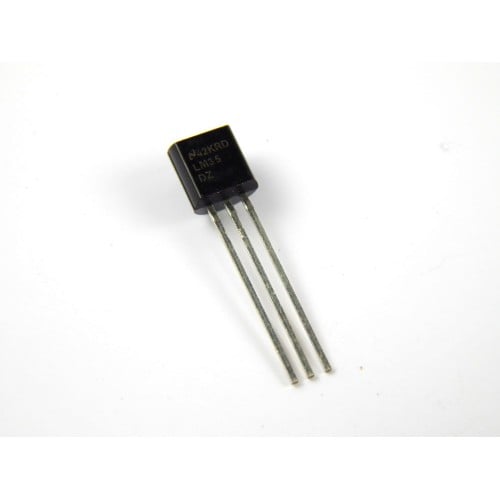
LM35 is a sensor which is used to measure temperature. It provides electrical output proportional to the temperature (in Celsius).
926-LM35DZ/NOPB
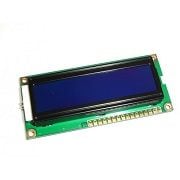
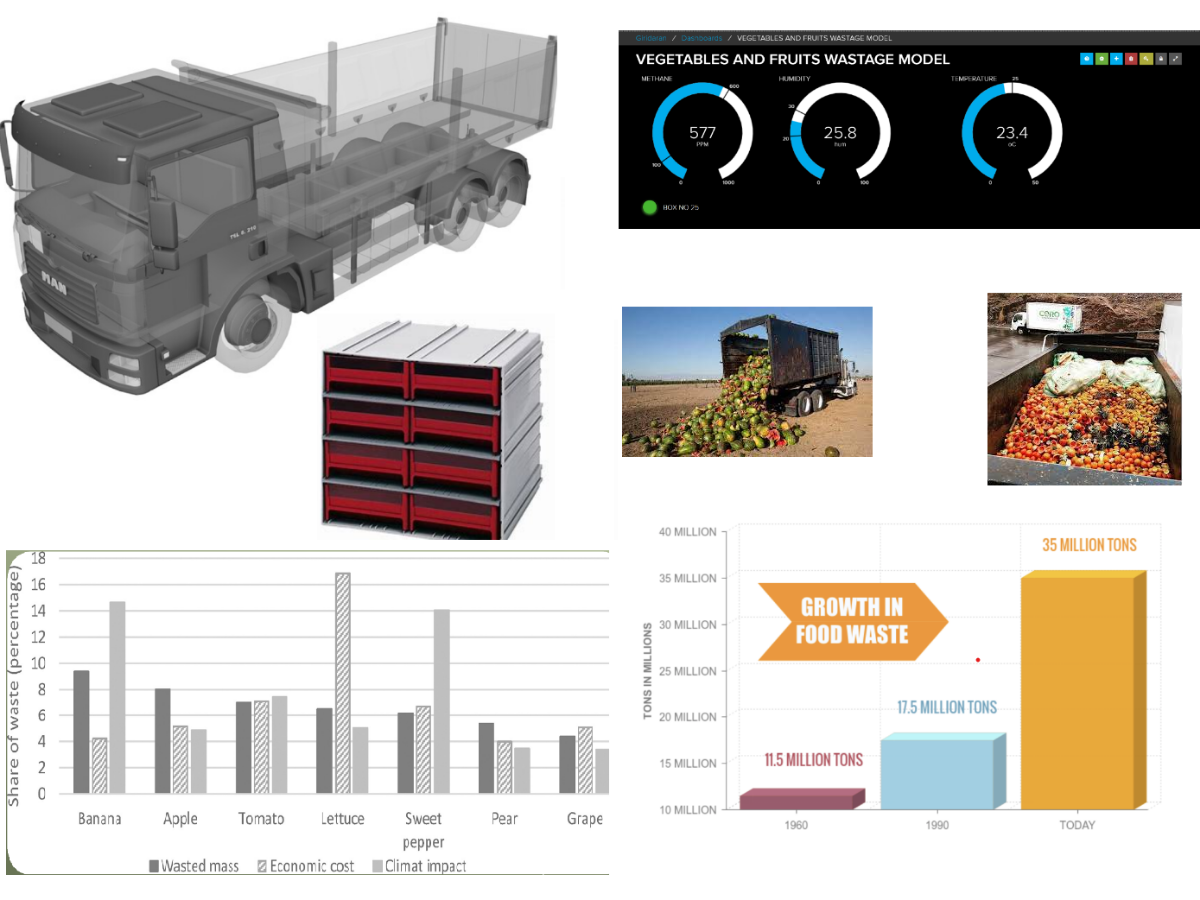
The main cause for the wastage of fruits and vegetables occurs during long distance transport. As they were arranged in trays one above the other, at the time of supply the trays placed at the top were delivered first. But the bottom positioned trays travel a long distance and they were supplied at last. Due to far distance travel the temperature in the bottom trays were raised. As there is no air, the fruits and vegetables were wasted. We have a simple solution for this issue. In fact, in total, every year the industry disposes of almost 400,000 tons of rotten tomatoes.
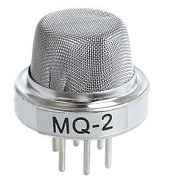
To make it worse, these most often end up in landfills, where they are a major hazard as they generate methane, or they get dumped in water bodies, where they affect the aquatic ecosystem.We have designed a simple model for this issue. The body of the truck is segmented into a number of slots. In each slot, a temperature, humidity sensor and methane sensors are placed. These sensors detects the rise in temperature, humidity content and the emission of methane gas from the fruits and vegetables placed in different slots. If there are any changes in the temperature which exceeds more than normal temperature, it denotes that it is to be rotten soon. This may help the supplier to supply the fruits and vegetables in good condition before it gets rotten.
In case of methane gas detected, that slot of fruits and vegetables is made to be decomposed before delivery.The production of vegetables in India is next only to China. The vegetable and fruit production contributes more than 30 percent of the agriculture GDP. The crop diversification has led to rise in horticulture production, which has reached 185.2 billion tonnes last year. But the real challenge starts after the production. More than 72 percent of the vegetables and fruits are wasted in the absence of proper retailing (The Hindu).
Credits
Built by 1 contributor
Comments0
Join the discussion — share a question or tip.
Be the first to share your thoughts on this project.